Touring guide
Tours & Band Travel
Touring connects individual gigs into a campaign. The challenge is not simply to book as many dates as possible: the band has to move between cities, arrive on time, protect member availability, control costs and still be ready to perform.
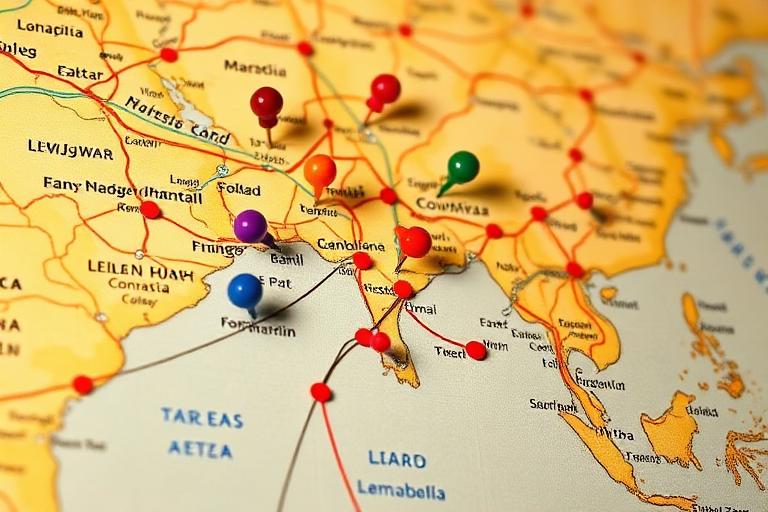
In brief
Build the route around geography and realistic travel windows, confirm each show is compatible with the band's wider schedule, choose transport appropriate to the run, keep financial headroom for the trip, and use automatic/group travel tools where they reduce avoidable coordination failures.
Build a route, not a scatter plot
A strong tour usually moves through the world in a sensible sequence. Jumping repeatedly between distant cities creates more travel time, cost and risk for no musical benefit.
- Choose anchor dates. Start with the most important confirmed gigs or festival appearances.
- Look at nearby opportunities. Fill around anchors where travel makes sense.
- Check every gap. Make sure there is enough time to finish one commitment, travel and prepare for the next.
- Leave recovery space. Not every free hour needs to become another booking.
Band travel

Different travel and vehicle options trade speed, cost and convenience. The correct option depends on the distance, the schedule and the scale of the band rather than a universal “best vehicle”.
Short runs
Cheaper or simpler transport may be enough when cities are close and the schedule is forgiving.
Tight schedules
Faster travel can become valuable when the route leaves less margin for error.
Long campaigns
Band vehicles and touring infrastructure become more useful when travel is a repeated part of the career.
Member coordination
Group or follow-the-band travel options help keep members aligned, but players should still review important dates.
Protect the schedule
Touring is one of the easiest ways to expose time conflicts because every show implies travel before or after it. Recording sessions, rehearsals, media offers, jobs and personal activities can all create problems if they are booked as though the band will remain in one city.
Touring does not replace gig preparation
A tour can be perfectly routed and still contain weak shows. Each gig still needs a setlist, relevant repertoire, member readiness and suitable stage preparation.
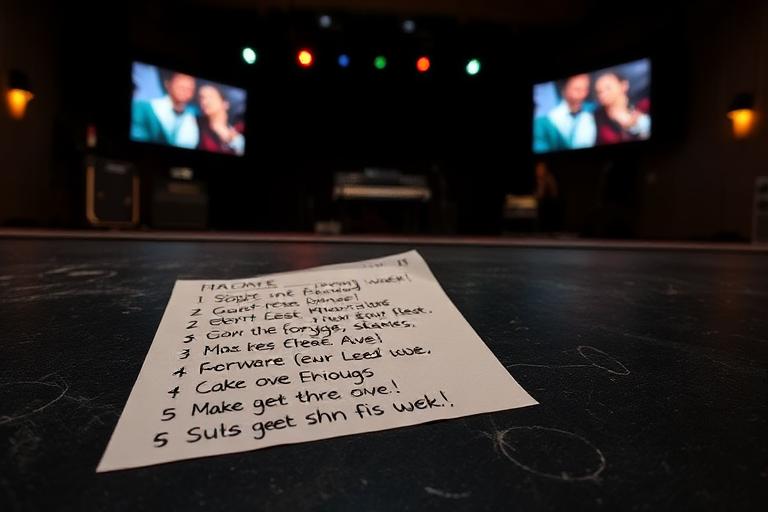
Reuse is helpful—bands do not need to reinvent the entire set every night—but local context, slot length and festival appearances may justify changes.
Tour economics
| Money in | Money out |
|---|---|
| Show guarantees / performance income | Travel and transport |
| Ticket-linked earnings where applicable | Crew and touring support |
| Merchandise opportunities | Equipment/logistics costs |
| Career momentum and later demand | Opportunity cost of time |
Changing or cancelling a tour
Plans sometimes need to change. Review the consequences before cancelling dates or an entire run, particularly when shows are close. Cancellation systems are intended to make commitments matter rather than act as free placeholders.