Working together
Bands, Recruitment, Roles & Rehearsals
A band creates a shared career around members with different skills, schedules and responsibilities. Recruitment, roles, repertoire, chemistry, rehearsal, gigs, recording, touring and finances all depend on the same band context, so clear organisation matters.

In brief
Identify the musical role the band is missing, recruit using an advert or direct invitation, review applications, assign a role that matches the player's actual instrument skills, build a usable repertoire, rehearse it and keep the group's calendar aligned around gigs, recording and travel.
Recruiting band members
Recruitment now has a clearer end-to-end flow. Leaders can advertise an open place, players can apply, friends can be invited directly, and the advert can be taken down when it is no longer needed.
- Work out the gap. Decide what instrument or contribution the band genuinely needs.
- Create an advert. Make the open role clear enough that the right players can recognise it.
- Review applications. Compare the applicant's relevant skills and fit rather than only their total progression.
- Invite directly when appropriate. If a friend is a strong match, use the invitation flow instead of asking them to hunt for an advert.
- Close the advert. Once the position is filled or your plans change, take the recruitment listing down so it does not keep attracting irrelevant applications.

Roles should match real skills
Band roles are tied to the actual instrument and performance capabilities available in RockMundo. Treat the role as a description of what the member is expected to contribute, not as a generic title.
- Choose the closest real instrument or performance role for the member.
- Review roles when the setlist or sound of the band changes.
- Do not assume one broad label covers every specialist instrument skill.
- When inviting a player, make sure the offered role matches what they can actually play.
Build a usable repertoire
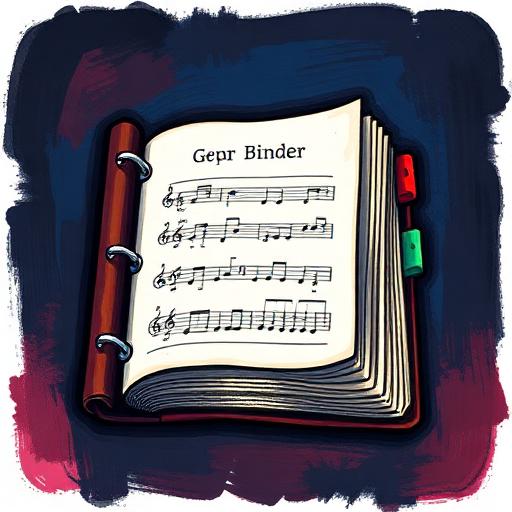
Your repertoire is the shared pool of songs the band can prepare and perform. Original songs create identity, while legitimate cover material can broaden a set. Adding a song does not make it stage-ready by itself.

Rehearsals and booking checks
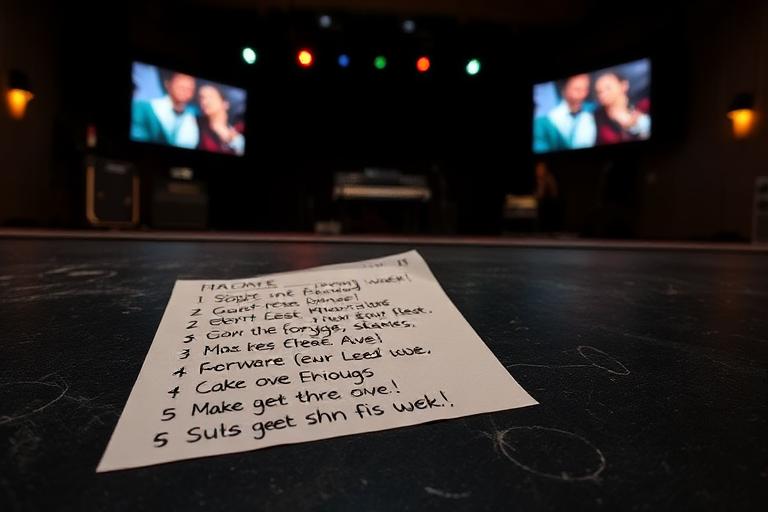
Rehearsal is shared preparation. The booking flow uses the active band context and its songs, so make sure you are operating as the intended character and band before assuming material is missing.
- Choose the right band context. Multi-character players should confirm which character and band they are controlling.
- Select material from the band's repertoire. If songs are missing, check that they actually belong to the active band context.
- Book around everyone involved. Rehearsals compete with travel, work, study and other scheduled activities.
- Build shared familiarity. Prioritise the songs you expect to use at the next gig or recording.
- Review readiness. Use gig-preparation feedback to decide what still needs work.
Band chemistry and shared activity
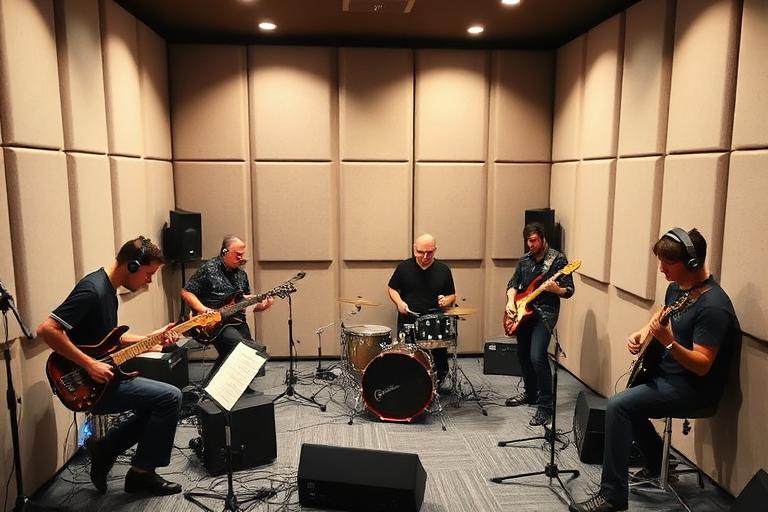
Chemistry represents the value of becoming a functioning unit rather than a temporary collection of individual stats. Rehearsals, jams and live activity can all contribute to the sense that the group is learning to operate together.

A healthy band rhythm
A sustainable group alternates between recruiting, creating, preparing and public activity. Constant gigs with no rehearsal can expose weaknesses; constant rehearsal with no shows creates no audience story; filling the roster with mismatched roles does not solve a musical gap.