Commercial music
Releases, Streaming & Charts
A release is a campaign, not a one-click income source. RockMundo connects recordings, streaming, physical sales, inventory, promotion, live activity, label support and charts so that demand and supply both matter after release day.
In brief
Choose the right release size and formats, manufacture enough physical stock, distribute sensibly, support the campaign with live and media activity, and watch streams, sales and charts over time. If demand exceeds physical inventory, the release can sell out rather than creating impossible extra sales.
Singles, EPs and albums
Different release sizes suit different moments in a career. Singles concentrate attention, EPs broaden a campaign without the scale of an album, and albums work best when you have enough prepared recordings, budget and audience interest to support a larger event.
Single
Focus promotion around a small amount of material and maintain momentum between larger projects.
EP
A useful middle ground when you want more depth than a single without committing to a full album campaign.
Album
A larger catalogue and marketing moment that can demand more recording, manufacturing and promotional spend.
Artwork & package
The release workflow packages the music, formats and presentation together. Treat artwork and release identity as part of the campaign rather than an afterthought.
Formats, manufacturing and physical inventory
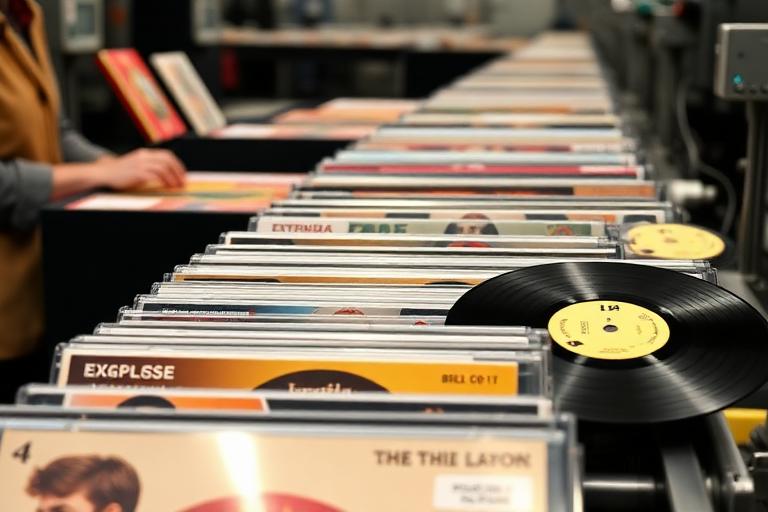
Streaming and digital availability do not require the same stock planning as physical formats. Vinyl and other physical products use actual inventory, so manufacturing decisions now place a real ceiling on how many units can be sold until more stock is available.
| Format decision | What to consider |
|---|---|
| Streaming / digital | Audience reach and ongoing discovery matter more than warehouse stock. |
| Physical formats | Manufacturing cost, available units and expected demand all matter. |
| Stock level | Sales cannot exceed inventory. Strong demand can produce a genuine stockout. |
| Restocking | Plan additional stock when momentum is strong instead of assuming the sales engine will create unlimited copies. |
Streaming demand
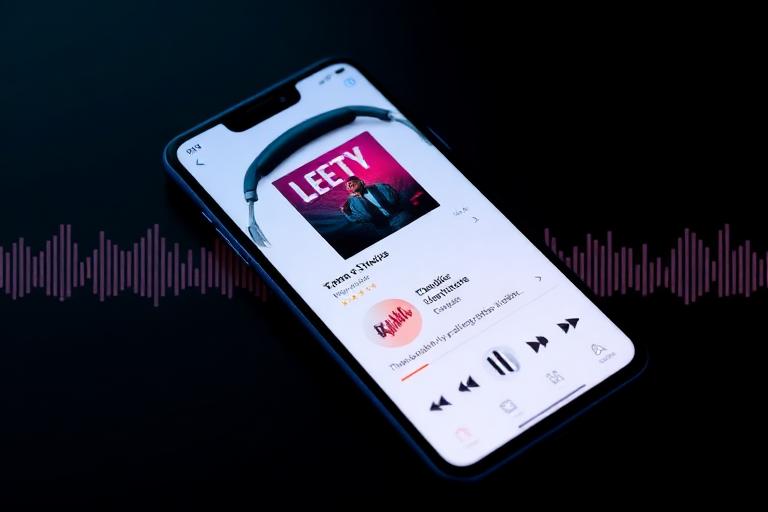
Streaming can grow from music quality, artist recognition, fan momentum, promotion, live activity and label support. It can also continue changing after release day as the wider career creates new reasons for listeners to discover the catalogue.
Do not judge a song only by its first day. A later gig, media appearance, chart result or successful campaign can create a new wave of interest.
Physical sales and stockouts
Physical demand now respects real inventory. If a release has 500 saleable copies left, the sales process cannot report more than those 500 copies sold. This keeps manufacturing, sell-outs and restocking meaningful.
- Check remaining physical stock before spending heavily on promotion.
- Expect different formats to have different demand patterns.
- Use sell-outs as a planning signal rather than assuming missing stock can be ignored.
- Restock successful releases if you still expect meaningful demand.
- Remember that streaming can continue even while a physical format is sold out.
Label marketing campaigns
Labels can now invest in an upgradeable marketing function and run paid campaigns that influence demand. Campaigns cost real label money and are applied to release performance rather than existing only as a cosmetic management option.
Marketing department
Label marketing capacity can be upgraded, giving player-run labels more depth in how they support signed releases.
Campaign spend
Paid promotion is charged to the label and becomes an active campaign rather than a free toggle.
Streaming impact
Marketing can increase the conditions for streaming demand without guaranteeing a fixed number of plays.
Physical impact
Marketing can also increase purchase demand, but physical sales still stop at the available inventory boundary.
Promotion beyond the label
PR, self-promotion, social activity, music videos and live shows can all support release momentum. Think of them as creating more opportunities for listeners to notice and revisit the music rather than purchasing guaranteed streams or chart positions.



Charts and World Pulse
RockMundo has several chart views because they answer different questions: time period, territory, format and seasonal context can all change what a chart represents. World Pulse gives a broader picture of what is moving across the music world.
Seasonal moments such as the Christmas Number 1 are treated as distinct world events, with run-up feedback and history intended to make the result feel more significant than a normal weekly chart refresh.
Reading your results
- Compare streams, physical sales and remaining stock rather than reading one headline number.
- Watch whether a promotion caused stronger demand and whether inventory was sufficient to capture it.
- Compare local, national and wider audience movement where the relevant chart supports it.
- Look for catalogue effects after major gigs, media appearances or label campaigns.
- Use sell-outs and weak stock turnover differently: one points to missed supply, the other to excess inventory.
- Use the data to inform the next campaign rather than reverse-engineering hidden coefficients.